Before I begin I thought I may share with you the following:
Subject: 📬 Your Annual Contribution to the UK’s Illegal Immigration Bill
Dear Citizen,
As a valued legal resident of the United Kingdom, we are pleased to inform you that your share of the cost of illegal immigration for this financial year amounts to £98. That’s each by the way, so the bigger your family, the more you pay.
This contribution helps cover:
- Hotel accommodation for thousands of individuals whose legal status remains, shall we say, pending.
- A robust and efficient (ish) asylum processing system.
- Legal battles to deport people we’ve already decided to keep.
- And the ongoing expansion of what some affectionately call “the hospitality arm of the Home Office.”
Rest assured, no expense is spared in ensuring that your generosity is redistributed in ways you likely didn’t vote for — and weren’t asked about.
We thank you for your continued, if unwitting, support of policies that put strain on housing, schools, the NHS, and social cohesion.
If you have any concerns about this bill, please direct them to your MP or local Councillor. They may or may not be working from home.
And here is a breakdow of the costs contained within your invoice:
🧾 The National Invoice: The Cost of Illegal Immigration

📌 Total Estimated Annual Cost: £6.6 Billion
The UK government allocated approximately £6.6 billion in the 2023–2024 fiscal year to address illegal migration.
👤 Per Capita Cost: Approximately £98
With a UK population of around 67 million, this equates to an estimated £98 per person annually.
🧮 Breakdown of Costs
🏨 Accommodation: £2.8 Billion
A significant portion of the expenditure, £2.8 billion, was directed towards housing over 38,000 asylum seekers in hotels.
🏛️ Asylum Processing and Legal Costs
The Home Office faced pressures amounting to £6.4 billion in day-to-day spending for asylum and illegal migration in the 2024–2025 period.
📉 Projected Future Costs
If current trends persist, the cost of housing asylum seekers is projected to reach £11 billion annually by 2026.
📊 Summary
| Category | Estimated Annual Cost |
| Total Illegal Immigration | £6.6 Billion |
| Per Capita Cost | £98 |
| Accommodation (Hotels) | £2.8 Billion |
| Asylum Processing & Legal | £6.4 Billion |
| Projected Cost by 2026 | £11 Billion |
Note: These figures are based on available data and projections. Actual costs may vary depending on policy changes, migration patterns, and other socio-economic factors.
And now back to the blog.
Labour said they had a plan – They didn’t. they said it was fully costed – It wasn’t.

The LibDems said they would scrap the Rwanda Scheme – The only illegal immigration deterrent we had.
The Tories said they had a clear plan – They didn’t.
The Green Party – Who cares.
As the good people of Shropshire shuffle toward yet another local election, we’re told once more to vote for the same well-worn choices and expect—what, exactly? Less potholes? More library hours? Council tax that doesn’t rise faster than the mayor’s chain of office budget.
No. What we usually get is bureaucratic bloat, ceremonial waffle, and backroom deals dressed up as “strategic direction.” But this May, something resembling actual policy has entered the building—complete with spreadsheets, costings, and the audacious suggestion that a council might live within its means.
Welcome to the Reform UK Shropshire Council Policy Framework—a doorstop of common sense laced with fiscal realism and local flavour.
Less Spin, More Spanners: Practical Reform in 100 Days
Let’s start with the big sell: a full-spectrum policy overhaul mapped directly onto every Shropshire Council department. Think of it as a kind of “Local Government IKEA manual”—clear objectives, practical tools, and hopefully, fewer missing parts than the current administration.
From adult social care to libraries, housing to potholes, every policy area is addressed not with abstract vision statements, but with actions, timelines and expected outcomes. Yes, really.
If Reform UK takes control:
- A 100-day plan kicks in, starting with an audit of council spending that might finally explain how £130 million in adult social care results in endless waiting lists.
- A shiny new Department for Government Efficiency and Public Accountability (DGEPA) will report to the people every quarter—because sunlight, as they say, is the best disinfectant.
- Libraries? Safe.
- Council tax? Frozen.
- Frontline services? Prioritised over council vanity projects and remote-working dreamlands.
Common Sense is the New Radical
This isn’t a utopian manifesto. It’s a polite rebellion against years of political theatre and managerial muddle. Here’s what’s in store:
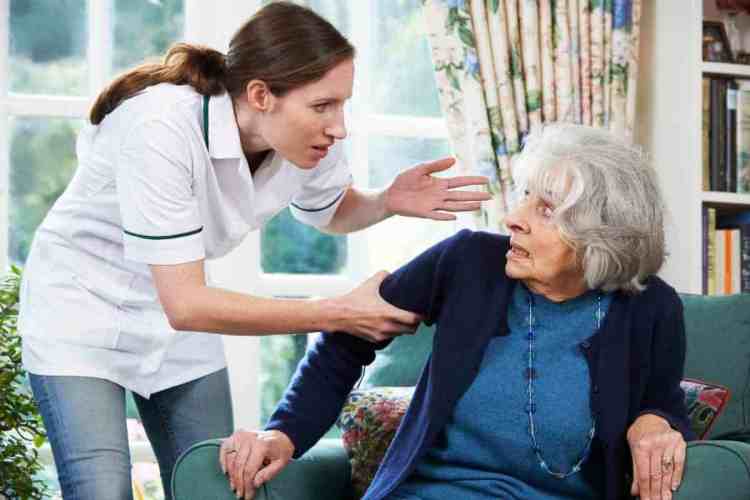
- Housing built where people actually want to live—not on the last green scrap behind the cricket club.
- Children’s Services that treat grooming gangs as predators, not awkward policy footnotes.
- Education that focuses on maths, literacy, and employability—not ideological sermonising or identity workshops.
- Adult Social Care with more carers and fewer clipboards.
- Libraries and Culture protected from closure and from the creeping soft censorship of “appropriate content vetting.”
All funded by a simple idea: cut 5% of waste from each department and reinvest the savings in things people actually use.

No More Excuses, No More Creeping Councilism
The budget analysis—yes, they did one—shows that Shropshire could freeze council tax, trim inefficiencies, and still afford pothole repairs, local housing projects, and proper care for the vulnerable.
Notably, Reform UK pledges to protect vital services while still rebuilding financial reserves. A novel concept for the current administration, who treat the council purse like it’s a direct debit to disaster.
And if Reform ends up in coalition? They’ll insist on keeping their fiscal backbone, even if it means being the adults in the civic crèche. Non-negotiables include cutting waste, prioritising front-line delivery, and making sure your money doesn’t vanish into another “strategic review.”
Conclusion: A Council That Might Actually Work
This framework isn’t perfect. It won’t please everyone. But it’s a rare thing in local politics: it reads like a plan, not a prayer. And in a world of jargon-stuffed promises and PowerPoint policies, that alone makes it worth reading.
Vote how you like—but if you want your council run like a public service, not a networking club for party placemen and hobbyist ideologues, it may be time to Reform.
The DGEPA Cometh: Shropshire’s Newest Weapon Against Civic Nonsense

In what can only be described as a historic moment of council self-awareness, Reform UK proposes to create a radical new entity: The Department for Government Efficiency and Public Accountability, or as it shall henceforth be known, DGEPA (pronounced “Dig-‘er-Pah” if you’re posh, or “Dog-Eater” if you’ve been burned by a planning application).
Yes, dear reader, a department… to make sure the other departments do their jobs properly. A concept so obvious it’s revolutionary.
What Is DGEPA?
According to Reform UK’s manifesto, DGEPA will be a publicly visible watchdog, tasked with:
- Publishing quarterly spending reports (so you can finally see where your council tax disappears after potholes, pensions, and posh consultancy invoices).
- Performing performance audits (translation: pointing out when services cost more and deliver less).
- Engaging residents in actual decision-making (brace yourself—opinions may be requested from people who aren’t on the payroll).
It will report directly to the Chief Executive and the Audit Committee, bypassing the usual merry-go-round of internal excuse-making.
In short: it’s local government’s equivalent of installing CCTV in a sweet shop and not letting the staff turn it off.
Why Does Shropshire Need This?
Let’s review recent highlights from Council-world:
- A “strategic workforce plan” that mostly involved staff working from home, from coffee shops, or possibly from parallel dimensions.
- Departmental budgets that overrun with the regularity of a medieval plague.
- Public consultations buried in PDF attachments posted on a Thursday before a bank holiday.

DGEPA is designed to shine a torch on this darkness. Not a dim, flickering torch of a “civic working group,” but a high-beam LED of quarterly scrutiny, community engagement, and actual consequences.
Irony Alert: A Department to Reduce Bureaucracy
Yes, yes—we see it too. Creating a new department to cut red tape sounds like starting a bonfire by knitting a fireguard. But wait.
Unlike your average council initiative, DGEPA isn’t about empire building—it’s about empire shrinking. Its job is to identify the waste, publish the rot, and make life very uncomfortable for underperforming fiefdoms within the Council.
Think of it as a sort of internal MI5 for taxpayers—a little bit James Bond, a little bit Dominic Cummings, but with fewer flipcharts and more spreadsheets.
Expected Outcomes (According to Them):
- Improved fiscal responsibility – Departments will know they’re being watched.
- Increased public trust – Sunshine disinfects, as they say.
- Enhanced service delivery – Because no one wants to be the featured failure in the quarterly DGEPA report.
And best of all? You get to see it happen. Public, plain-English reports. No jargon. No obfuscation. Just a number, a graph, and probably some red ink.
Conclusion: The Watchdog We’ve Been Waiting For?
Of course, the success of DGEPA hinges on one thing: the political will to let it bark—and bite. If Reform UK gets the power to build it, the next test will be whether they let it off the leash.
But make no mistake—this is a direct assault on opaque governance. A declaration that being elected doesn’t mean being unaccountable. That waste has a cost, and now, it may finally have a reckoning.
So the next time your bin isn’t collected, your care package is delayed, or your pothole develops a postcode—rest easy. DGEPA is coming.
And this time, they brought receipts.

Meanwhile Ed Davey is still a fool

And Ed Milliband is still the most dangerous man in the country
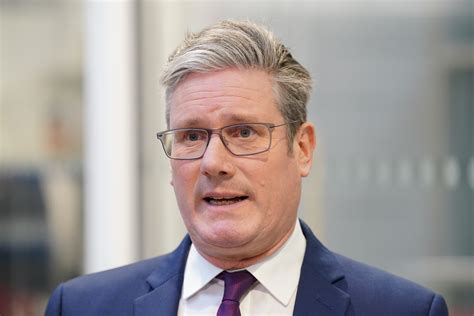
And Two-Tier Starmer – what can I say?
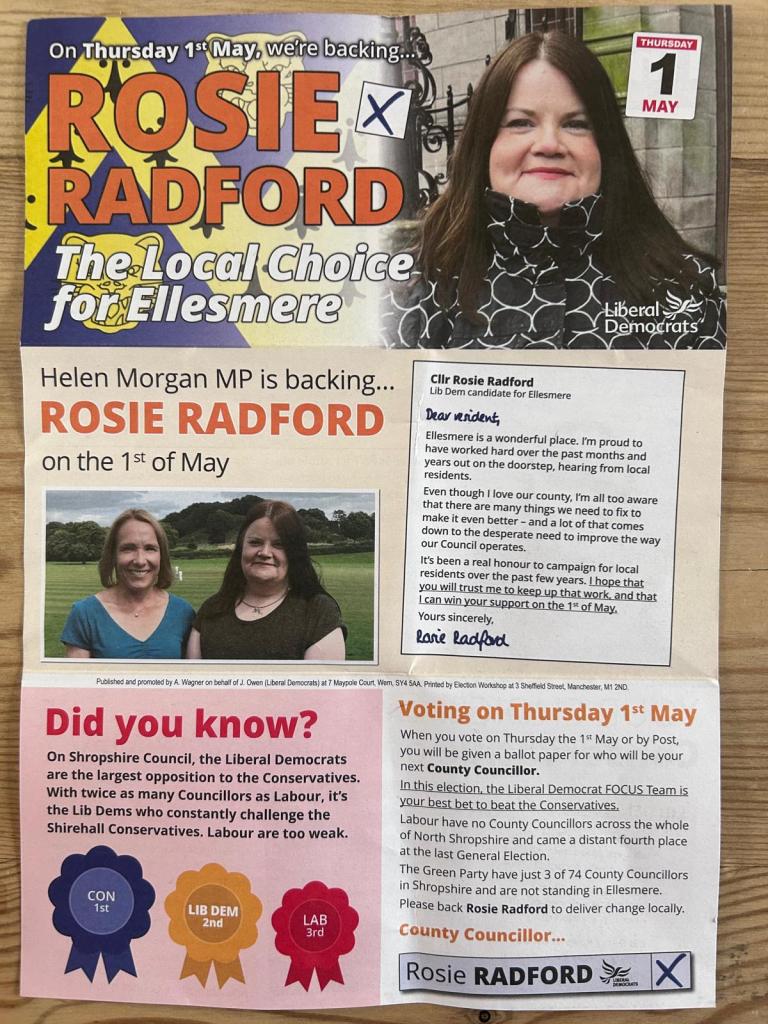
The one on the left is a publicity junkie, the one on the right is a DEBTOR (and a fiscal disaster)
 The Alternative Council