
Shropshire Council has published its Medium-Term Financial Strategy (MTFS) — a 100+ page saga of budget balancing, political tightrope-walking, and the kind of fiscal optimism normally reserved for national lottery winners.
The headline? A projected £63 million black hole by 2029/30, held at bay in the short term by one-off grants, temporary patches, and what can only be described as heroic accounting.
This is not a recovery plan. It’s a delay-the-doom plan.
🎭 Act I: “We’ve Made Enormous Savings (Please Clap)”
The MTFS opens with a proud boast: £41 million “saved” in 2023/24 and another £50 million this year. But dig a little deeper and you discover a revealing phrase:
“Much of this is about reducing future costs – ‘cost avoidance’ rather than reducing services offered.”
Translation? We’ve not cut services yet, but we’ve made plans to avoid paying for them when they become unaffordable. It’s the fiscal equivalent of dodging a bar tab by leaving before last orders.
💷 Act II: The Big Ask (From You)
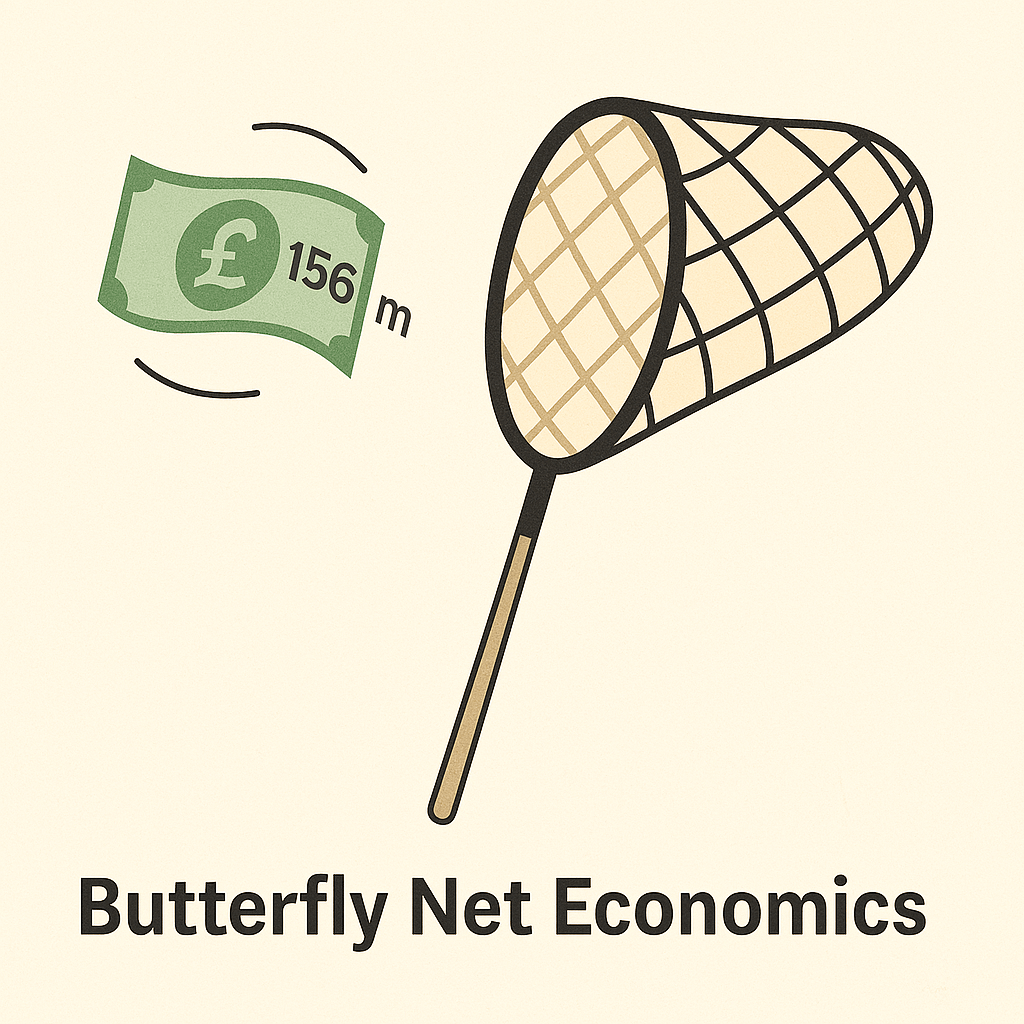
Faced with yet another poor central government settlement — a 0.06% increase in funding for Shropshire compared to nearly 8% nationally — the Council has decided to turn to its residents.
You’re getting a 4.99% Council Tax increase for 2025/26 (2.99% base, 2% Adult Social Care Precept), which is the legal maximum before a referendum is triggered.
“Taxpayers believe the increase to be excessive?” the report asks.
Oh, do they now?
The Council’s strategy here is straightforward:
Charge more locally to offset declining central support, while continuing to insist this is a sustainable model.
Spoiler: it isn’t.

📉 Act III: “Mind the Fiscal Chasm”
The report proudly claims that the 2025/26 budget has been balanced. But as always, the devil is in the footnotes. The gap is plugged by:
- One-off government grants
- Temporary reserves
- Optimistic assumptions about fees, charges, and collection rates
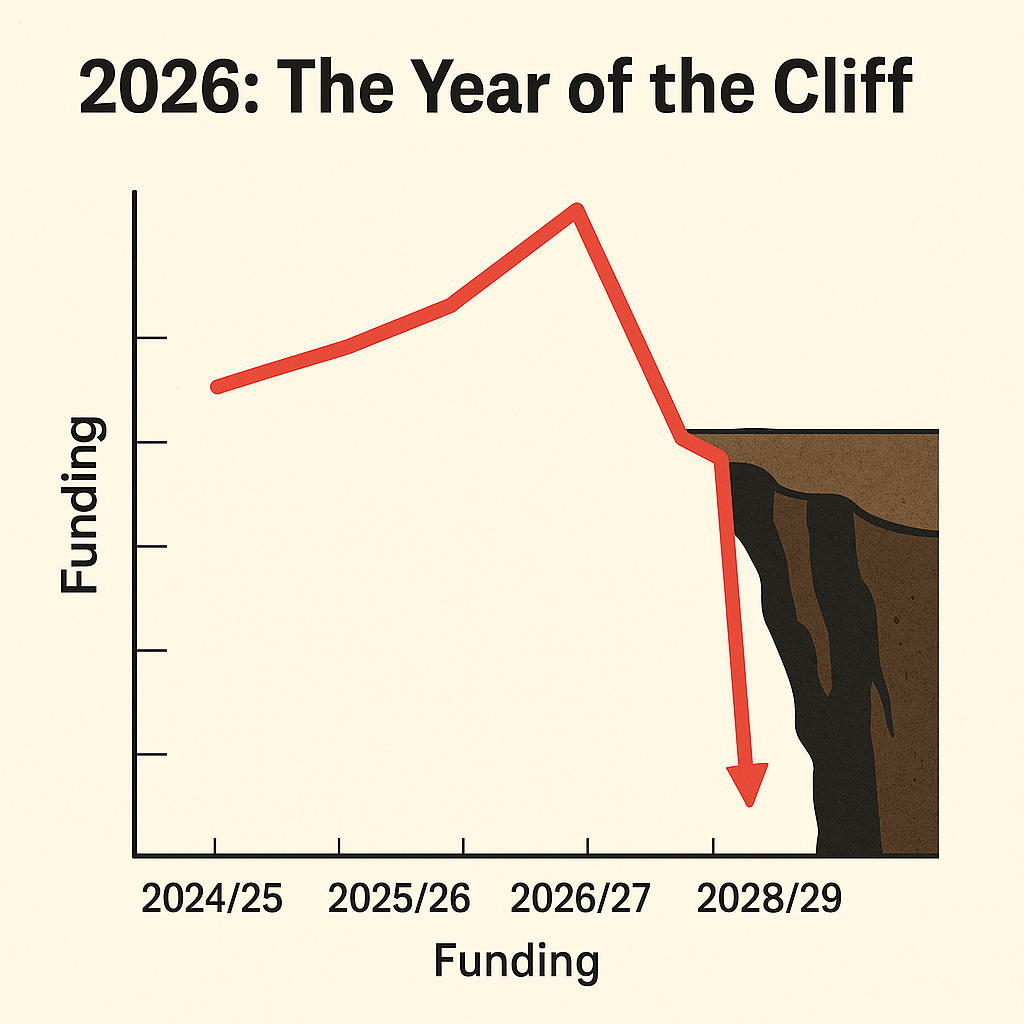
From 2026/27 onwards, the budget collapses into a cumulative funding gap of £63 million by 2029/30 — a structural deficit that the MTFS openly admits cannot be covered without “unpalatable decisions.”
These aren’t theoretical gaps. They are baked into the Council’s own projections, year by year:
| Year | Gap Before One-Offs | One-Off Funding | Remaining Gap |
|---|---|---|---|
| 2025/26 | £54.9m | £54.9m | £0 |
| 2026/27 | £84.9m | £48.8m | £36.1m |
| 2029/30 | £115.2m | £51.9m | £63.3m |
By 2026/27, the strategy collapses unless huge changes are made. But rather than propose those changes now, the Council prefers to describe this as “a long-term sustainable framework.”
It’s sustainable in the same way that jumping off a cliff is sustainable — for the first few seconds.
🧯 Act V: “We’ll Rebuild the Reserves After the Crisis (Promise)”
The MTFS ends with an assurance that once the current storm is weathered, the Council will begin rebuilding reserves. But in order to do so, it will need to:
- Cut deeper than already proposed
- Secure more assets sales than currently possible
- Avoid any new financial shocks
In other words, the strategy depends entirely on uncertain funding, unpopular cuts, and unpredictable markets — all being favourable, simultaneously.
It’s a bit like budgeting for a wedding by betting on three horses, selling your car, and hoping it doesn’t rain.
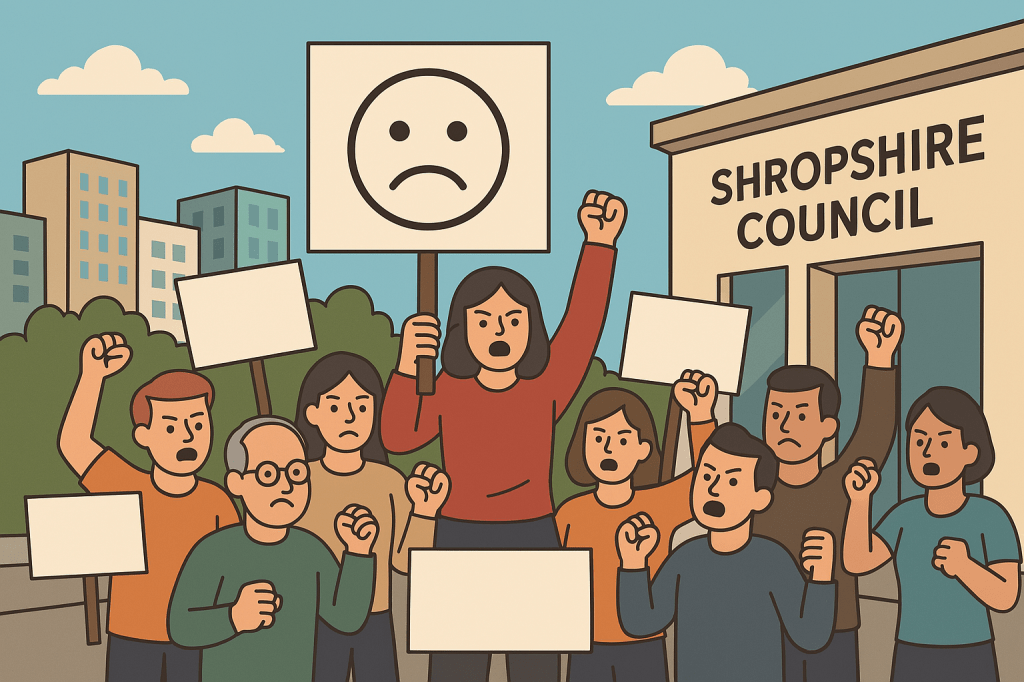
Act VI: ADMINISTER A DOSE OF FINANCIAL REALITY
Transparency is not simply about publishing documents — it’s about publishing sense. A council can release spreadsheets until Excel crashes, but when the numbers scream “incompetence!” louder than any whistleblower, something’s rotten in the civic borough.
Take, for instance, Shropshire Council’s dazzling performance in 2024:
- A CEO earning £167,143, more than the Prime Minister, while potholes proliferate like pothole consultants — one of whom cost £1,000 a day.
- A total debt of £310 million, yielding £13 million a year in interest. That’s over £35,700 daily, enough to resurface a road or two, had the money not already gone to PwC.
- Speaking of which, the council paid £6.2 million to PricewaterhouseCoopers for help saving money. One might call this a parody of governance, except it’s real and funded by council tax — which, incidentally, has risen 25% in just five years.
So while Shropshire Council ponders cutting services, it also ponders a £215 million North West Relief Road project — still unapproved, with £151 million unfunded and £39 million already sunk. A relief road indeed, though one suspects the only ones feeling relief are the consultants.
Let us not forget the fripperies:
- A £20,000 trip to the South of France (presumably vital for mastering continental bin collection techniques).
- £1.6 million on “decarbonisation works” — but with 6,259 households on the housing register, carbon isn’t the only thing left out in the cold.
- And a brief but glorious dalliance with refurbishing a new HQ: £380,000 on consultants, only to put the whole scheme on hold. Because nothing says efficiency like expensive indecision.
And for the finale: from 2026, Shropshire residents may look forward to three-weekly bin collections. But let’s not be hasty — the Council has graciously ruled it out for 2025. A victory for transparency, or perhaps just a delay in the odour?
If these financial contortions were a ballet, they’d be Swan Lake performed on a cracked roundabout.
Shropshire Council has had its snout in the public trough for too long; time to give them a dose of reality.
🧠 Closing Reflection
Shropshire Council’s Medium-Term Financial Strategy is not without effort. It’s thorough, detailed, and painfully honest in places. But the strategy it presents is not sustainable — not even by its own numbers.
It relies on maximum tax hikes, asset fire sales, continued government neglect, and a heroic level of wishful thinking. Meanwhile, vital services are stretched to breaking point, and residents are asked to foot the bill for what increasingly feels like a managed decline.
This isn’t transformation. It’s triage.
Do we really want these clowns to form the next administration?
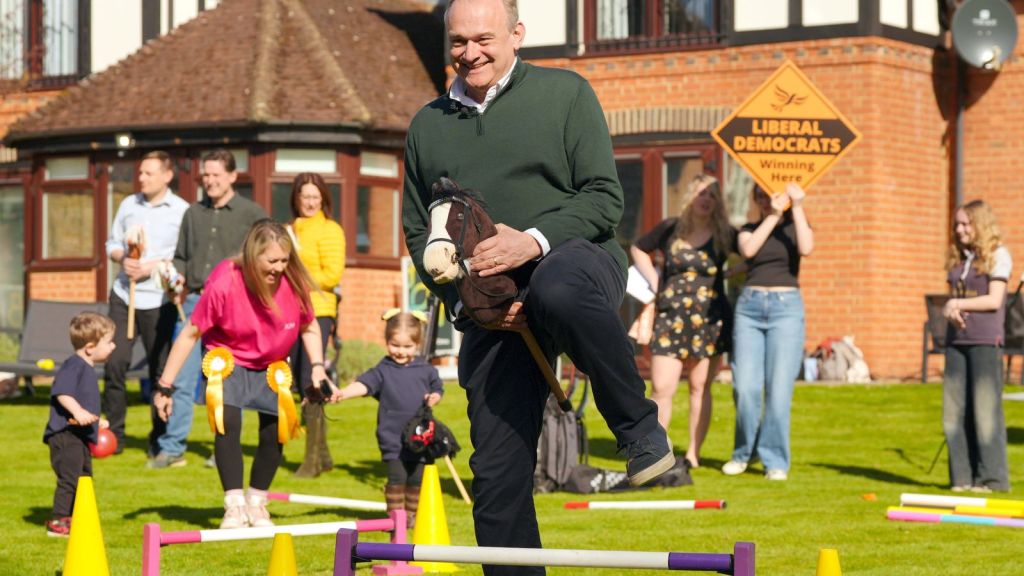
Serious problems deserve serious people to solve them.
 The Alternative Council