
The Pyjama Council: How Remote Working Became the New Civic Disservice
Once upon a time, in the sleepy shires of Shropshire, there was a noble dream: a council that served its people with diligence, integrity, and perhaps even a touch of punctuality. Fast forward to 2025, and what do we find? The dream is alive and well—provided you define “alive” as a flickering Teams status light and “service” as a two-week delay in returning a phone call.
Yes, dear reader, welcome to the era of the Pyjama Council.

Once the pandemic shuffled our civic warriors from their town hall thrones to their kitchen counters, something curious happened—they never returned. The temporary measure became the norm. And now? The corridors of Shirehall (Guildhall) echo only with the ghostly hum of the cleaner’s hoover and the distant sigh of democracy left on read.
Let us be clear: remote working can work. In some sectors, it increases productivity and morale. But local government? That sacred bastion of pothole promises, bin-day decisions, and planning permissions? That requires something radical: presence.
Instead, what we now face is a digital curtain drawn between public servants and the public they serve. Want to speak to someone in planning? Leave a message. Need urgent clarification on housing? Please hold, your call is important to us—allegedly.
This is not adaptation. This is abdication.
And now, the pièce de résistance: on 1st March 2025, I submitted a straightforward Freedom of Information request to Shropshire Council—nothing fancy, just a polite inquiry about their home-working setup. Questions included: are staff supplied with taxpayer-funded laptops and ergonomic chairs? Do they have their heating subsidised while working remotely? Who’s monitoring their output, if anyone? And, critically: is there an actual policy, or is this just a free-range workstyle experiment?
The answers, one might expect, would be sitting ready in a file. After all, this is a major operational shift. But alas, the statutory 20 working days have passed, and the response remains as absent as the staff from their desks.
One imagines the request gently fluttering through cyberspace, pausing at a digital inbox marked “Out of Office – indefinitely.”
And while we’re on the subject of misplaced priorities, a little bird (Whistleblower) told me that someone in the Council’s Planning department is supplementing their family income by selling clothes on Vinted. No judgement—we all need side hustles these days—but perhaps lunchtime livestreams of eBay listings weren’t what the electorate had in mind when they asked for greater efficiency.
This is not just delay. This is dereliction.
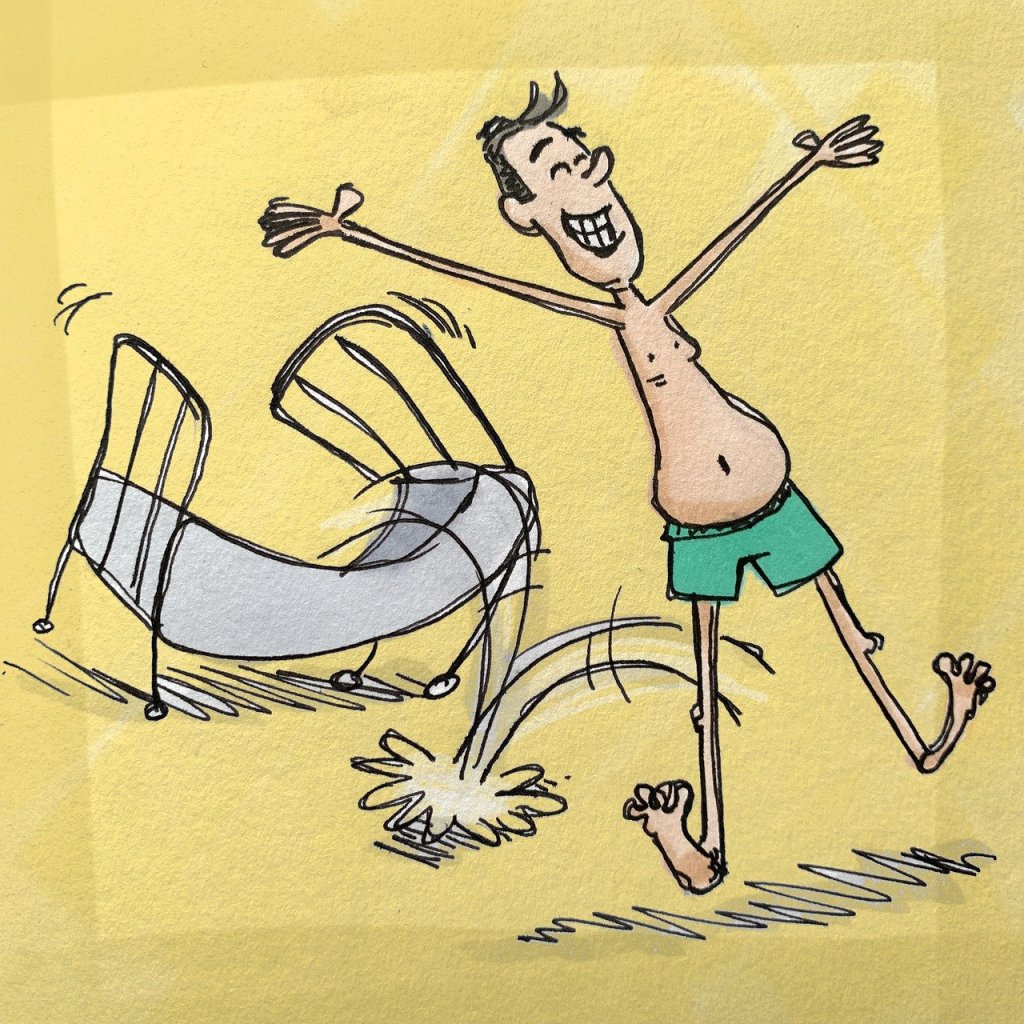
The democratic deficit widens when accountability wears slippers. We cannot scrutinise performance when performance is hidden behind a muted mic and an out-of-office message set to infinity. Decisions that affect real lives are now made in digital vacuums, with councillors and officers alike floating in cyber-isolation, untethered from the communities they represent.
We should ask: who benefits? It’s certainly not the pensioner waiting three weeks for a call back about council tax support. Nor the small business owner chasing licensing information through a maze of auto-replies. Nor, evidently, the polite citizen waiting for answers to a very simple set of questions about just what these home-based heroes are up to.
Perhaps the greatest irony is that while physical doors remain closed, transparency is the first casualty. A public service that cannot be easily accessed is no longer serving the public. It is serving itself.
To this end, we must consider the words of Council Leader Lezley Picton, who commented publicly on the work-from-home arrangements:
“We’ve found that allowing flexible working has improved wellbeing among staff and hasn’t affected performance. In fact, it’s made people more productive in many cases.” Lezley Picton, Leader of Shropshire Council at least until May 2025.
Of course, it’s unclear whether this surge in productivity includes e-commerce entrepreneurship or simply extends to quicker kettle-boiling times.
So, to our esteemed officials donning fluffy robes and logging in at ten past whenever: the people are not fooled. We see you, or rather, we don’t—and that’s the problem.
It’s time to bring back real presence to public service. Time to open the doors, the desks, the diaries. The Pyjama Council has had its nap. Wake up. Democracy is calling.
And this time, we expect you to pick up—and perhaps even reply.
 The Alternative Council