
Introduction
Shropshire Council, the unitary authority formed in 2009, has been on a spectacular journey—one paved with financial blunders, policy U-turns, and governance failures so glaring that even the most creative satirists would struggle to outdo reality. From the shopping centre investment that aged like milk to a “legacy grant” that conveniently went on an extended holiday, this council has provided an unending source of misadventure.
If you were wondering how to turn public money into expensive lessons, look no further. Buckle up as we explore the highlights (or should we say, lowlights) of Shropshire Council’s “strategic decision-making” over the past decade and a half.
But first let us have a look at the four leaders of the Tory majority Council since its inception in 2009 thought it apt to use a collective noun of a ‘pothole’ of leaders, because people will remember them as they drive out of their driveways whilst leaving home in their car
Keith Barrow 2009 – 2015 Malcolm Pate 2015 – 2017 Peter Nutting 2017 – 2021
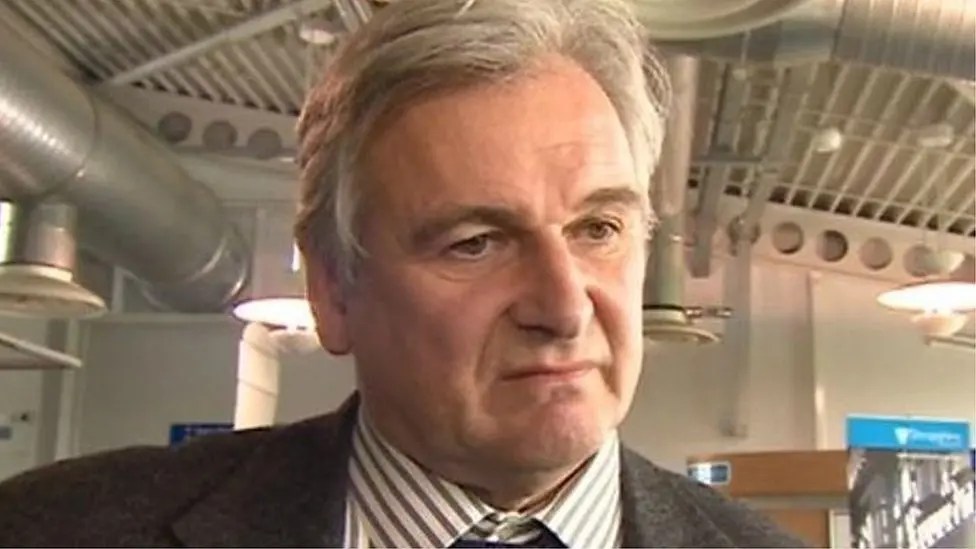



Lezley Picton 2021 – 202
Timeline of Major Missteps (2009–2025)
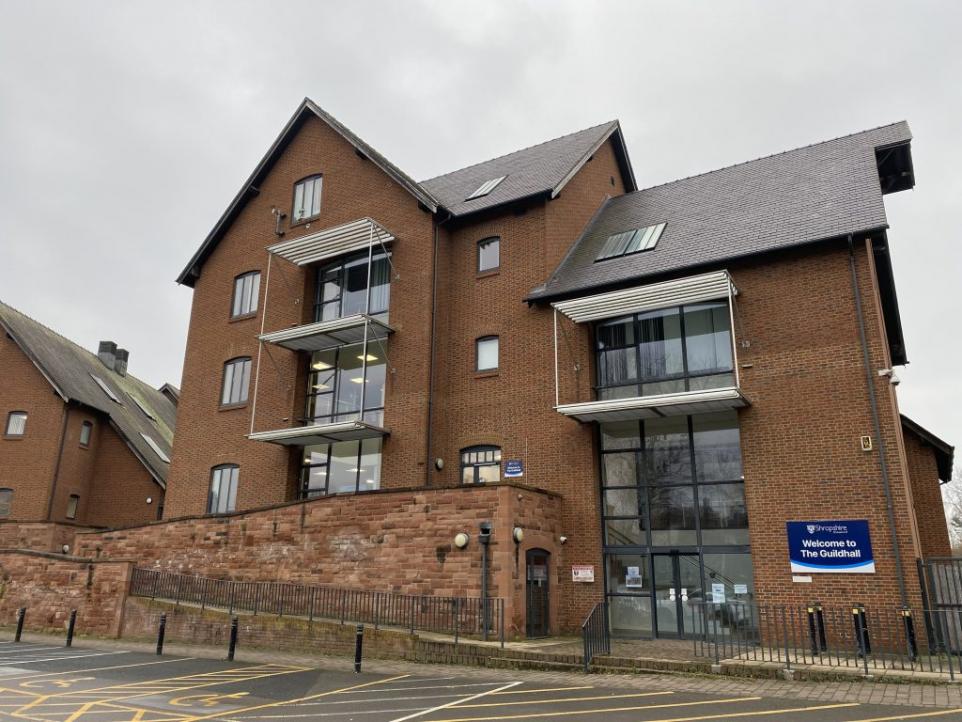
2009: Establishment of Shropshire Council
Shropshire Council is established as a unitary authority, with Councillor Keith Barrow as its first leader. Hope is high. Competence, however, is elusive.
2011: The Legacy Grant Controversy
The council awards a so-called “legacy grant” of £80,000 to The New Saints (TNS) Football Club for stadium upgrades—structured as a loan-to-grant scheme requiring the club to repay £16,000 per year for five years. As if by magic, repayments fail to materialise, and the council forgets to enforce them. Oops.
2012: The IP&E Ltd Experiment
Shropshire Council launches a trading company, IP&E Ltd (short for “Inspiring Partnerships & Enterprise”), aiming to generate income by delivering services commercially. It inspires nothing but financial losses and quiet facepalms.
2015: Leadership Crisis and Swimming Pool Dispute
Council leader Keith Barrow resigns after a standards investigation finds he breached the code of conduct by failing to declare a conflict of interest in IP&E Ltd. Meanwhile, a bold plan to relocate Shrewsbury’s central swimming pool to the outskirts is met with public fury. Turns out, people actually like convenient facilities. Who knew?
2016: IP&E Ltd Closure
Admitting that IP&E Ltd “has not worked,” Shropshire’s new leadership votes to shut it down. The company had been costing around £600,000 a year—a true testament to how to burn public funds with style.
2018: Shopping Centres Purchase
Shropshire Council purchases three Shrewsbury shopping centres for £51 million, convinced they’ve struck gold. The public is sceptical. The public is right.
2019: Shopping Centre Value Decline
Just a year later, the centres’ value drops by £11 million. Council leaders insist this is normal. It is not.
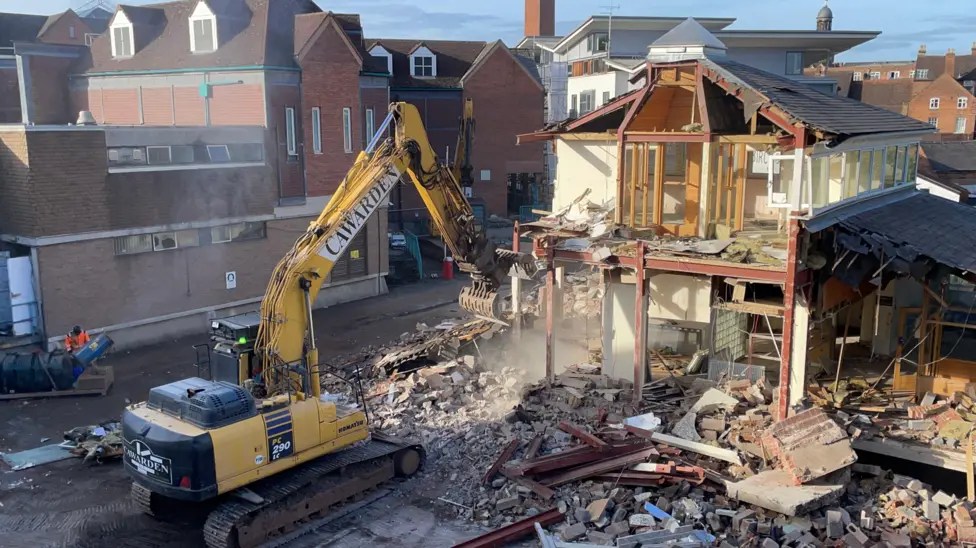
2021: Retail Sector Struggles and Further Declines
By 2021, the shopping centres are valued at a mere £12.35 million. This means roughly £38 million of taxpayer money has vanished into the void. The council, however, remains unfazed.
Leadership Scandals and Conflicts of Interest
2023: Local Plan Problems and Auditor Scrutiny
Government inspectors halt public hearings on Shropshire’s new Local Plan, citing “soundness concerns.” Translation: it’s an absolute mess.
2024: Costly Infrastructure Failures and Public Frustration
The North West Relief Road (NWRR) project, once budgeted at £87 million, has somehow exploded to £188 million. External auditors drop their reports, and jaws follow. Meanwhile, the council introduces a controversial booking system for recycling centres, which turns taking out the rubbish into a strategic exercise akin to securing Glastonbury tickets.
2025: Financial Crisis and Policy Reversals
Shropshire Council applies for exceptional financial support from the Government, effectively admitting it has run out of cash. It also performs some dazzling U-turns: the tip booking system is axed after just three months, and plans for three-weekly waste collections are quietly buried.
Financial Mismanagement: A Masterclass in Losing Money
The Shopping Centres Investment Debacle
Ah, the great shopping centre purchase—a deal so catastrophic it should be studied in economics courses under “what not to do.” Bought for £51 million, now worth just over £12 million, this investment has lost more value than a car driven off the forecourt at full speed. But the council insists it still holds “long-term potential.” Sure, and so does my gym membership.
The “Legacy” Grant Fiasco
Imagine lending £80,000 and forgetting to check if it was ever repaid. That’s essentially what happened with the TNS grant, except the council then had to initiate legal action to get even a fraction of the money back. It’s hard to say whether the bigger scandal was the grant’s structuring or the council’s impressive level of indifference to where taxpayer money was going.
The North West Relief Road Disaster
The NWRR’s cost has more than doubled, thanks to what auditors describe as “poor financial governance.” Meanwhile, the council assures residents that the money is being “well managed.” This is akin to a sinking ship’s captain insisting the lifeboats are just for decoration.
Governance, Transparency, and the Art of Avoiding Scrutiny
The Keith Barrow saga was the kind of political drama one expects in national headlines, not local government. Resigning after failing to disclose a personal business connection, his tenure left behind a governance mess that still haunts the council today.
Secrecy as Standard Procedure
Shropshire Council has a fascinating approach to transparency: it avoids it. When the TNS grant fiasco was exposed, councillors were threatened with legal action for discussing it. You’d think they were handling state secrets, not just asking what happened to public money.
The FOI Fiasco
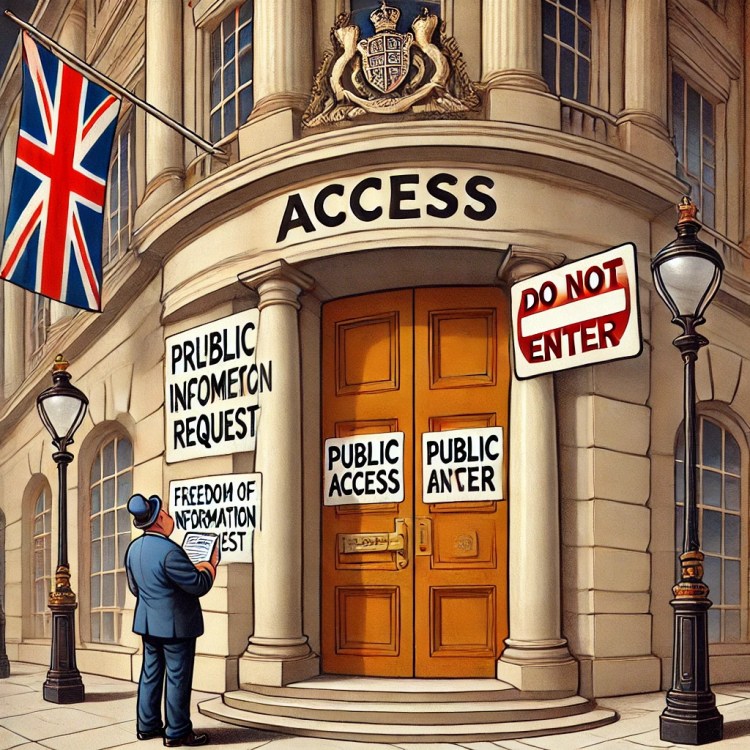
By 2025, the Information Commissioner’s Office (ICO) issued an enforcement notice due to the council’s backlog of over 100 overdue Freedom of Information requests, some dating back four years. At this point, even the Bermuda Triangle looks more transparent.
Policy U-Turns: The Art of Backpedalling at High Speed
Waste Collection Chaos
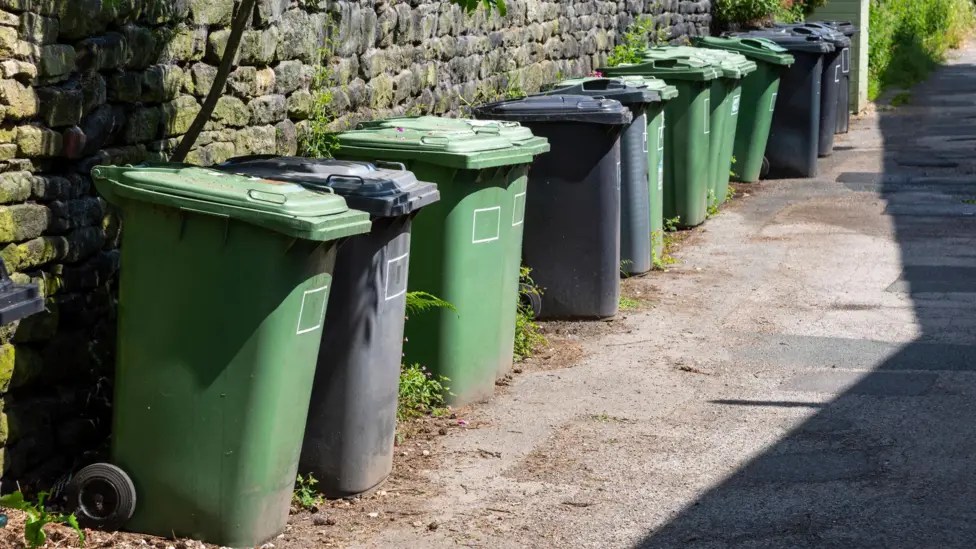
The tip booking system, introduced in 2024, was meant to “improve efficiency.” Instead, it led to widespread public outrage and was abandoned within three months. Likewise, the plan for three-weekly general waste collections went straight into the bin after 3,500 complaints flooded in. Turns out, people enjoy having their rubbish collected more than once a month. Who would have guessed?
Local Plan Withdrawal: A Strategic Disaster
After years of work and public engagement, the council had to scrap its Local Plan in 2025. Planning inspectors essentially told them to start over. The result? Total policy limbo, with developers now circling like vultures. The council’s response? “We are extremely frustrated.” Welcome to the club.
Conclusion: Lessons in What Not to Do
Shropshire Council’s track record is a stunning example of how to burn money, mismanage projects, and then scramble to undo the damage. If there were an Olympic event for municipal mismanagement, they’d be bringing home the gold.
But perhaps there’s hope. Public backlash, scrutiny from auditors, and regulatory interventions have begun forcing change. Whether these lessons will stick remains to be seen, but one thing is certain: if Shropshire Council is to regain public trust, it needs fewer U-turns, fewer secret meetings, and a whole lot more competence.
 The Alternative Council