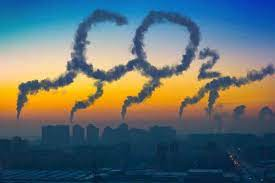
Introduction:
In the sprawling landscape of our current energy saga, where the glittering promise of a lavish 50-year supply of shale gas and vast reserves of oil and natural gas in the North Sea should be a testament to our organizational prowess, the reality unfolds as more of a tragicomedy. Our supposed visionaries have, in a bewildering act of self-sabotage, orchestrated shortages in both gas and oil. This mind-boggling mismanagement not only raises eyebrows but also invites a serious pondering on the decision-making processes at the highest echelons of leadership—a potential tragicomedy in the making.
The Discrepancy Between Facts and Decisions:
The conspicuous gap between scientific facts and governmental decisions is a theatre of absurdity that transcends party lines. Even the Green Party, seemingly the torchbearer of environmentally conscious policies, finds itself entangled in a web of poorly conceived measures, such as the widespread implementation of a 20mph limit. Despite scientific evidence highlighting adverse effects on pollution and traffic flow, these decisions persist under the guise of a green agenda—an irony as thick as the smog they aim to dispel.
The Irony of COP28:
Prepare for the grand spectacle of irony as we delve into the actions of our illustrious figures. King Charles III, the Prime Minister, and Foreign Secretary David Cameron attended COP28 in Dubai, ostensibly to showcase their unwavering commitment to environmental causes. However, the crowning glory of irony rests in the mode of transportation – private jets (one each?). A stark contradiction to the eco-friendly principles they espouse, this instance epitomizes the hypocrisy that has become a hallmark of the political arena, rendering the environmental agenda as nothing short of a tragicomic performance.
Green Policies as a Hindrance:
The well-intentioned but tragically flawed green energy policies often masquerade as the saviours of our planet. Yet, their counterproductive nature becomes increasingly apparent. The myopic emphasis on renewable energy sources has led to a woeful neglect of the abundant shale gas and oil reserves at our disposal. This misplaced focus not only contributes to artificially created shortages but also undermines the very essence of our energy security—a comedy of errors with potentially dire consequences.
Conclusion:
In the grand finale of this tragicomedy, the energy resource conundrum emerges not just as a testament to a lack of organizational prowess but as a farcical commentary on decision-making at various levels of governance. The blind pursuit of green policies, despite the glaring evidence of their drawbacks, presents a looming threat to our energy security. It’s high time we step back from this theatrical stage, reevaluating our approach with a healthy dose of irony, considering the abundant resources at our disposal and the imperative for a more pragmatic and sustainable energy strategy. The curtains may be drawn on this comedy, but the real tragedy lies in failing to learn from its unfolding scenes.
While approximately 70,000 ‘holidaymakers’ basked in the sun at COP28 in Dubai, the rest of us mere mortals experienced heavy snowfalls in some parts of the country. The Met Office, true to form, entered their usual Armageddon mode, issuing the customary ‘warnings’ about ‘climate change’ – duh! It’s called winter, you idiots.
An UAE minister was heard discussing phasing out fossil fuels, deeming it unrealistic and stating, “it would take the world back into the caves.” Can I have a cave with the Extinction Rebellion idiots on one side and Just Stop Oil on the other, just so I can have a choice on who to kick in the morning before I go out foraging to find wood for the fire.
Meanwhile, the great and the good are already planning for COP29. I heard that China, the United States, India, and Russia are on the shortlist. Click here
Ah, the anticipation!
 The Alternative Council